
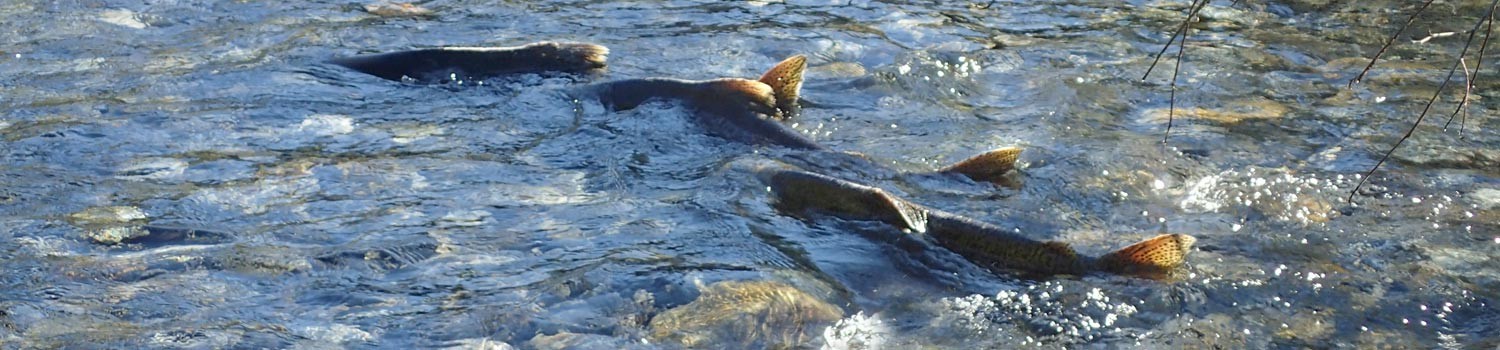
(via Mike Haggerty, 10-4-17):
- The bulk of the data used in the stock status review came from WDFW’s Score Database.
- The NOPLE Status and Trends Task Force also used data and escapement estimates provided by the Makah, Elwha, and Jamestown tribes (e.g., to partition coho escapement by independent tributary vs. the output of the Strait of Juan de Fuca Coho Escapement Model).
- In addition, some data were received from Randy Cooper at WDFW (updated steelhead escapement data).
- For Elwha Chinook and steelhead data, Mike Haggerty used annual reports compiled by the co-managers and reported annually in various forms (e.g., Keith Denton’s sonar escapement estimates).
- For Dungeness steelhead, Mike used data summarized by NMFS in their early winter steelhead EIS and BiOp (which was provided originally by Jamestown Tribe), as well as juvenile production estimates provided by WDFW.
- For population segregation, Mike used NMFS Science Center population ID documents for Puget Sound Chinook salmon and steelhead, and Hood Canal summer-chum.
- Mike also used some information from the NMFS 2015 status review document and the USFWS bull trout status review.
- Strait coho population identification was done within the Task Force and generally conformed to the Strait of Juan de Fuca Coho Escapement Model production units; we also used escapement goals (from FAB 83-39) partitioned by wetted area to determine production unit and/or population escapement goals.
- For Western Strait of Juan de Fuca species, we used tentative escapement goals outlined in the WSJF salmonid restoration plan.
View the original 2017 NOPLE Stock Status and Trends Data Sources (DOCX)